
Observation 002: The state of the receiver
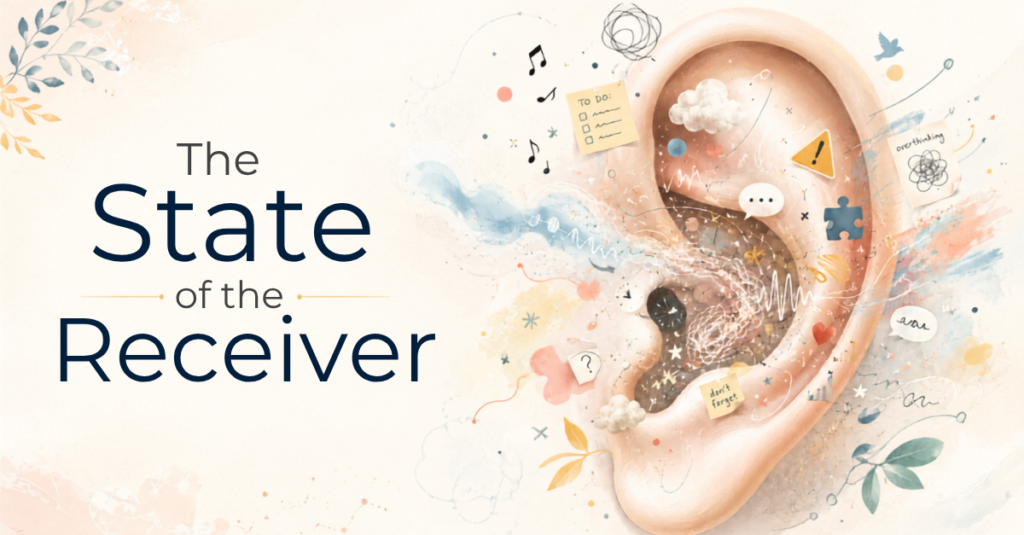
Even our best work can fail before anyone reads a word of it. Every organisation I’ve worked with, in the middle of change, reaches for the same lever: tell people more, tell them sooner, explain it again. It’s the right instinct. The alternative, silence, is genuinely corrosive. For a long time, I believed that was […]
Capacity Under Pressure Series | Part 2 of 4
The four human patterns under pressure In the first blog, we explored the capacity crisis, when the volume and pace of change exceed what people can realistically absorb. But what does that look like in practice? When capacity tightens, we don’t respond randomly; we respond predictably. There are four patterns that show up repeatedly across […]
Working the Brainwaves

While it’s not necessary for most of us to study the in’s an out’s of our brain waves, it is helpful to be aware of how certain frequencies can impact performance. Particularly what we can do to support improved performance. Most of us know certain wave frequencies are associated with deep/light sleep (Delta, Theta) and […]
Use Neuroscience to Improve your IC

Understanding just a little bit more about how our brains work can help us to deal with – and communicate – change more effectively. Deborah Hulme, Director of our partners Minerva Inspires, chats to our Head of Insight Paul Jones about how 15 years of neuroscience study have shaped her approach to employee engagement and […]
Three Steps to Mitigating Our Primal Responses to Threat and Uncertainty

Three Steps to Mitigating Our Primal Responses to Threat and Uncertainty In this blog, Helen Stephens considers the practical applications of neuroscience in the workplace and in general life. She identifies three steps to mitigate our primal responses to threat and uncertainty to reduce feelings of stress and promote greater wellbeing and resilience. There is […]
Habits and how to break them

Habits and how to break them We now understand much more about habits. In this blog, Deborah Hulme explains how habits are formed in the brain, why they are so difficult to break and how to break them. Our brain automates as much as possible so that we can function effectively and efficiently. Habits are […]
Unleashing Peak Productivity: Maximising the Brain’s Resources for Deep Work

Unleashing Peak Productivity: Optimising the Brain’s Resources for Deep Work Unleashing Peak Productivity: Optimising the Brain’s Resources for Deep Work. To unlock our best deep work, we must optimise our brain’s resources. This entails minimising distractions, setting clear goals, practising focus, and embracing regular breaks to recharge, ensuring peak productivity and creativity. In this blog, […]
3 of 3 – Empathy: How to Develop Our Empathy Skillset

In this blog we consider how to develop our empathy skillset. This month, in this third and final blog of the series, Deborah Hulme, founder of Minerva Engagement in collaboration with the IGD, continues her exploration of empathy. In previous blogs, we have considered the role of empathy in connection and relationship and the definition […]
2 of 3 – Empathy: Empathy vs. Compassion

In this blog from our Neuroleader Academy™ in which we explore insights from neuroscience and how to integrate them into everyday life, we aim to define empathy, and in particular the relationship between empathy and compassion. This month, Deborah Hulme, founder of Minerva Engagement and The Neuroleader Academy™ in collaboration with the IGD aims to […]
1 of 3 – Empathy: The Role of Empathy in Connection and Relationship

In this blog from our Neuroleader Academy™ in which we explore insights from neuroscience and how to integrate them into everyday life, we consider the critical role of empathy in connection and relationship. This month, Deborah Hulme, founder of Minerva Engagement and The Neuroleader Academy™ in collaboration with the IGD, explores empathy and why it’s […]